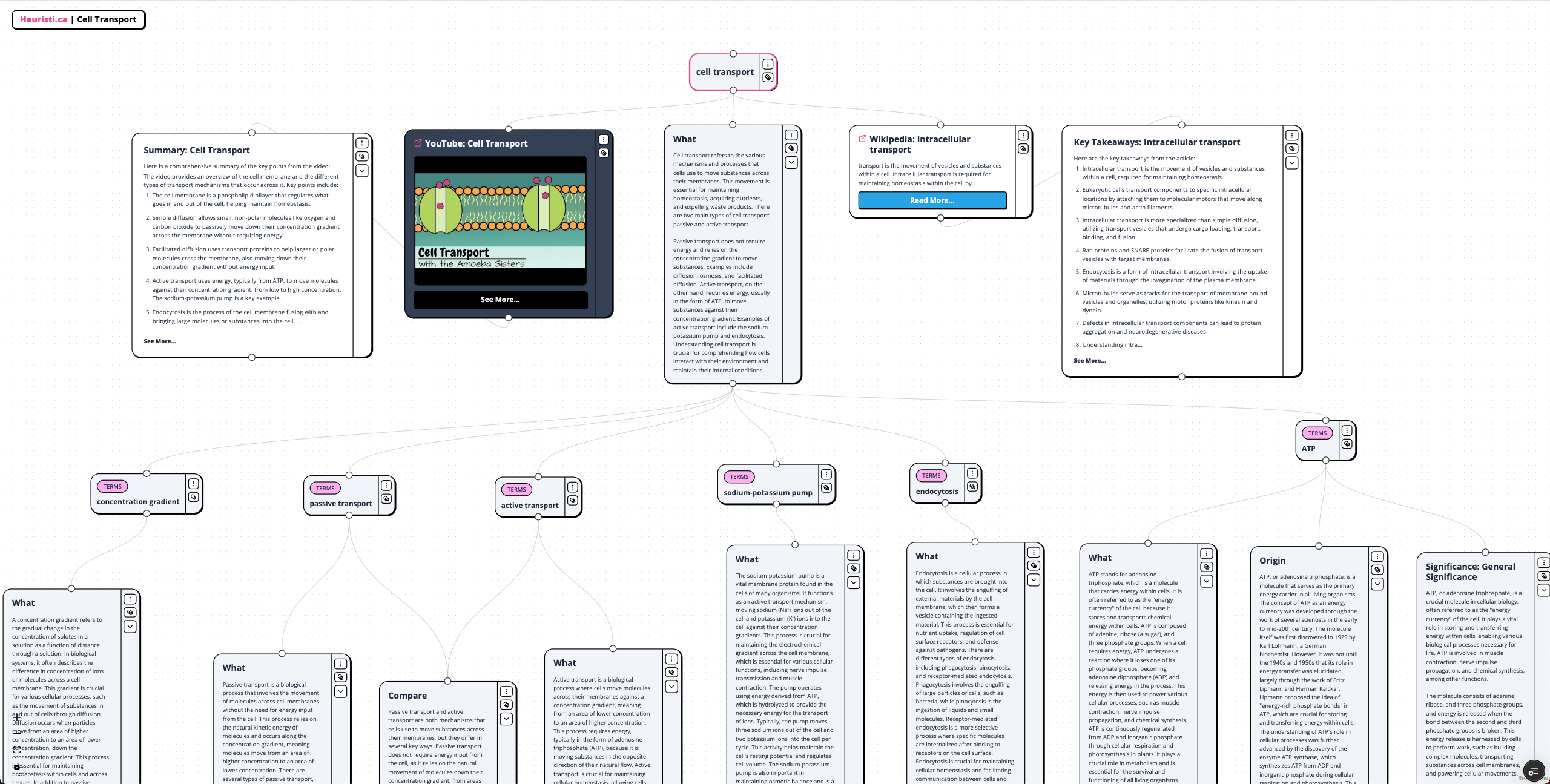
Cell transport refers to the various mechanisms and processes that cells use to move substances across their membranes, which is essential for maintaining homeostasis, acquiring nutrients, and expelling waste products. There are two main types of cell transport: passive and active transport.
Passive Transport
Passive transport does not require energy and relies on the concentration gradient to move substances. It includes processes such as diffusion, osmosis, and facilitated diffusion. Diffusion is the movement of molecules from an area of higher concentration to an area of lower concentration. Facilitated diffusion uses transport proteins to assist in moving larger or polar molecules across the membrane. Osmosis specifically refers to the movement of water molecules through a selectively permeable membrane.
Active Transport
Active transport requires energy, typically in the form of ATP, to move substances against their concentration gradient. This process is crucial for maintaining cellular homeostasis and includes mechanisms such as the sodium-potassium pump and endocytosis. The sodium-potassium pump moves sodium ions out of the cell and potassium ions into the cell, maintaining the electrochemical gradient necessary for various cellular functions. Endocytosis involves the engulfing of external materials by the cell membrane to form vesicles, allowing for nutrient uptake and defense against pathogens.
Concentration Gradient
A concentration gradient is the gradual change in the concentration of solutes in a solution as a function of distance. It plays a critical role in both passive and active transport mechanisms, influencing how substances move in and out of cells. Understanding these gradients is essential for processes like osmosis, respiration, and photosynthesis.
Adenosine Triphosphate (ATP)
ATP is the primary energy carrier in cells, often referred to as the "energy currency." It is involved in various cellular processes, including muscle contraction and nerve impulse propagation. ATP is continuously regenerated from ADP and inorganic phosphate through cellular respiration and photosynthesis, highlighting its fundamental importance in biological systems.
Comparison of Passive and Active Transport
While both passive and active transport are essential for cellular function, they differ significantly. Passive transport relies on the natural movement of molecules down their concentration gradient without energy input, whereas active transport requires energy to move substances against their gradient. Understanding these mechanisms is vital for comprehending how cells interact with their environment and maintain their internal conditions.